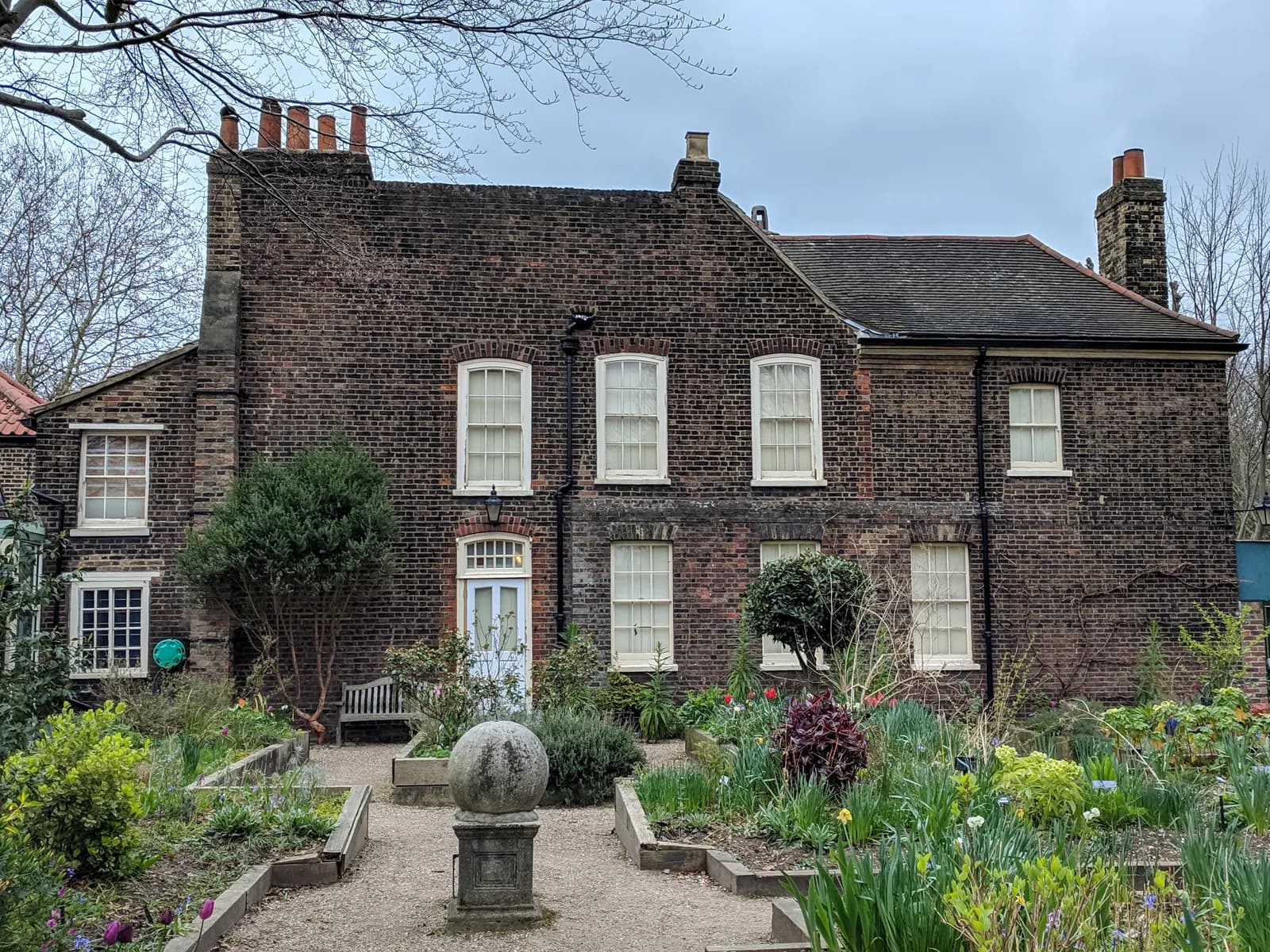
Vestry House Museum is undergoing a £4.5 million transformation that will see the Grade II listed former workhouse reopen as a revitalised cultural centre in autumn 2026. The project represents one of the most significant heritage investments in Walthamstow's recent history.
From Parish Workhouse to Museum
The building that houses Vestry House Museum dates to 1730, when it was constructed as a parish workhouse at a cost of £343 12s 3d. The land in Walthamstow Village was purchased for £6, and a stone plaque above the entrance still bears the inscription "if any would not work neither should he eat".
The structure served as a workhouse for the poor until the 19th century, later becoming a police station, armoury, and private residence owned by the Maynard family until 1912. The museum opened in 1931, with the archives reading room occupying what was once the women's ward of the workhouse.
Funding and Timeline
The £4.5 million project is funded primarily through the UK Government's Levelling Up Fund, with £800,000 in match funding from Waltham Forest Council. An additional £150,000 development grant from the National Lottery Heritage Fund supports the "Heritage in the Making" project.
The museum closed to the public on 23 December 2023, with the garden following on 18 February 2024. Building works began on 7 April 2025. The original target for reopening was early 2026, though this has been revised to autumn 2026.
Architectural Vision
Award-winning architects Studio Weave, who previously redesigned Lea Bridge Library, are leading the transformation. The design team includes 3D exhibition designers GuM Studio and curator Claire Mead.
The renovation focuses on sustainability and sensitive restoration. Studio Weave director Eddie Blake described the project as "architecturally ambitious proposals guided by an attitude to sustainability and care for the historic building, aiming to make as few changes as possible."
Key improvements include new ramp access and a platform lift for wheelchair access to the first floor, a new café in a rebuilt garden extension, refurbished galleries and learning spaces, and enhanced environmental sustainability. The 1990s "millennium" garden extension will be partially demolished and rebuilt, with a new primary entrance via the historic door and additional access from Church Path.
New Exhibition Spaces
The revitalised museum will feature five permanent exhibition spaces plus temporary exhibition space and a new learning room. The galleries will explore themes including "Made in Waltham Forest," celebrating the borough as "London's workshop"; "Forest, Farm, Village, City," tracing the changing landscape; and "Hidden Histories," examining links to the transatlantic slave trade, the East India Company, and abolition movements.
Additional galleries will cover "Rest and Play," focusing on sport, music, cinema, and theatre enjoyed by working people; "Health and Healthcare," highlighting community health pioneers; and "Making a New Home," sharing stories of migration. The iconic 19th-century police cell will be retained.
Collections and Archives
The museum holds over 100,000 historical objects. The most notable exhibit is the Bremer Car, the first British four-wheeled internal combustion engine car, built between 1892 and 1894 by Frederick Bremer in Walthamstow and donated to the museum in 1933.
Other collections include a Victorian parlour, toys and games, photographic archives, the British Xylonite Collection, Ensign Cameras, the Walthamstow Tea Service, and extensive oil painting, watercolour, and print collections.
The Waltham Forest Archives and Local Studies Library, containing 18th and 19th century documents, relocated during renovations. Archives moved first to Chingford Assembly Hall, then to Walthamstow Central Library. Museum officials have indicated that digitisation plans will eventually make collections accessible online.
Community Impact
The museum currently attracts approximately 22,000 visitors annually at a cost of £18 per visitor, with an annual running cost of £400,000. The council aims to increase attendance to 80,000 visitors per year following the reopening, with targets of 60 school visits and 150 free community events annually.
The project includes 60 training and employment opportunities for local young people. A community advisory panel of up to 12 residents, paid £25 per meeting, has been involved in shaping the museum's future direction.
Councillor Rosalind Doré, Cabinet Member for Libraries, Culture, Sports and Leisure, stated: "Vestry House Museum is a treasured part of our borough's artistic and cultural landscape and the revitalised building will be a welcoming space for everyone to enjoy. Its reopening this Autumn after an ambitious reimagining of the space and approach to the museum collections, continues our dedication to supporting and investing in culture, and making it inclusive and accessible to everyone."
Sorrel Hershberg, Head of Cultural Sites Development at Waltham Forest Council, noted: "We are proud that the newly curated museum displays are the work of many hands and voices, acknowledging the expertise of local historians and community partners working with our team to tell previously hidden stories."
The transformation forms part of the council's "Culture for All" programme and contributes to a "15-minute cultural neighbourhood" for Walthamstow residents.